
 ultimate-guide
Small Bathroom Renovation Project Costs: A 2026 Guide
Table of Contents
- What Small Bathroom Renovation Project Costs Actually Look Like
- Bathroom Remodel Labor vs Material Costs: Where Your Money Goes
- Key Cost Drivers: Scope, Layout, and Material Selection
- Small Bathroom Renovation Timeline and Cost Impact
- How to Save Money on Bathroom Remodeling Without Cutting Corners
- Hidden Costs and Contingency Planning
- Cosmetic Refresh vs. Full Gut Renovation: Cost Comparison
- Frequently Asked Questions
Last Updated: September 2, 2026
What Small Bathroom Renovation Project Costs Actually Look Like
The truth about small bathroom renovation project costs is this: most homeowners underestimate by 20-30% because they focus on materials and miss the labor-intensive parts. A modest bathroom refresh typically runs between basic cosmetic updates and comprehensive full gut renovations, and where your project lands on that spectrum determines your actual budget far more than square footage alone.
At Fluent Contracting, homeowners who plan for labor costs upfront, account for hidden expenses, and understand what "small" actually means in renovation terms stay on budget. Those who don't often face mid-project surprises that derail timelines and inflate costs.
The key is understanding where money actually goes. It's not evenly distributed between materials and labor. It's not a simple per-square-foot calculation. And it's definitely not the same whether you're doing a cosmetic refresh or a full gut renovation.
Bathroom Remodel Labor vs Material Costs: Where Your Money Goes
Labor typically accounts for 50-65% of your total small bathroom renovation project costs, while materials make up 35-50%. This ratio surprises most homeowners who assume they're splitting costs evenly.
Why does labor dominate? Because bathrooms are plumbing-heavy. Rough-in plumbing, fixture installation, waterproofing, tile work, electrical wiring for lighting upgrades, these tasks require skilled labor and cannot be rushed. A contractor cannot cut corners on plumbing without creating problems that cost far more to fix later.
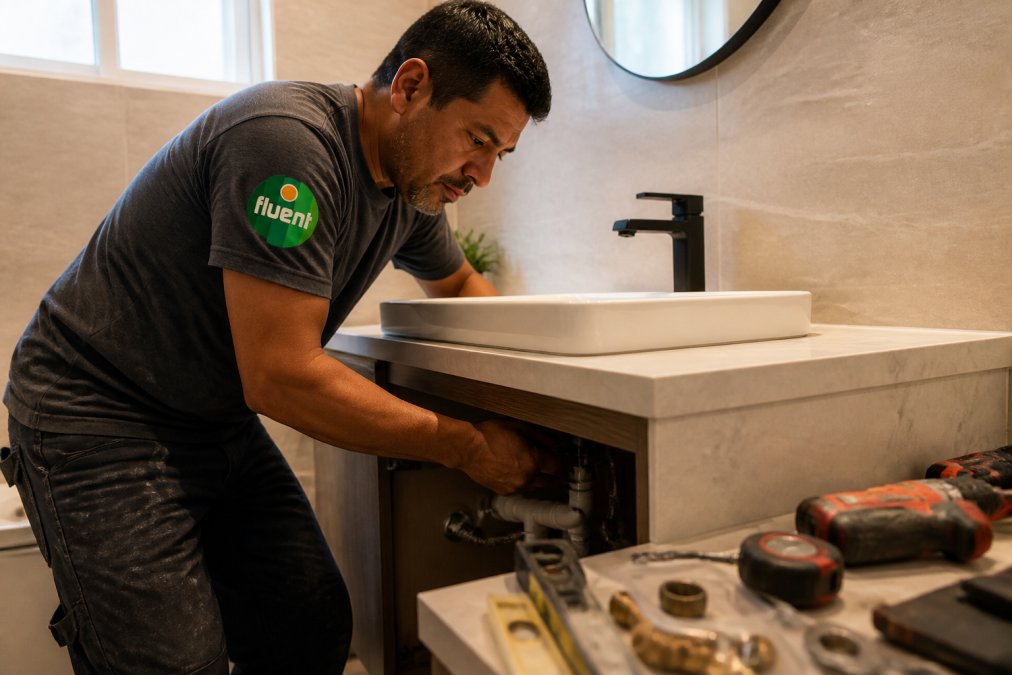
Material costs break down into categories. Plumbing fixtures (vanity, faucet, toilet, shower enclosure) typically represent 20-25% of material spend. Tile and grout for walls, flooring, and backsplash run 15-20%. Paint, lighting, mirrors, and hardware account for another 10-15%. Structural materials like subfloor repair, drywall, and waterproofing products fill the remainder.
The contractor markup on materials typically ranges from 15-25%, depending on the scope of work and whether the contractor sources specialty items. This isn't hidden profit, it covers their time sourcing materials, managing delivery, handling returns, and guaranteeing quality.
Labor costs vary by complexity. Basic installation work (hanging mirrors, installing simple fixtures) costs less per hour than specialized tasks like tile work or rough-in plumbing. A small bathroom project might require 60-100 hours of skilled labor spread across multiple trades, plumber, electrician, general contractor, tile specialist.
Key Cost Drivers: Scope, Layout, and Material Selection
The three biggest factors that push costs up or down are project scope, bathroom layout, and material choices. Understanding these before you start planning prevents expensive mid-project changes.
Project scope is the clearest driver. A cosmetic refresh, new paint, fixtures, hardware, maybe new tile on one wall, is fundamentally different from a full gut renovation where you're replacing subfloors, moving plumbing lines, and rewiring electrical. Scope determines whether you're talking weeks or months, and whether you need multiple trades or primarily a general contractor.
Layout changes are the silent cost multiplier. Moving a vanity six feet costs more than you'd expect because it often requires rerouting plumbing and electrical. Moving a toilet is worse, it may require changes to the septic system or municipal plumbing connection. If your current layout works, keeping it in place saves thousands. If you need to change it, budget accordingly and understand that this extends your timeline significantly.
Material selection creates the widest cost range. Ceramic tile costs less than natural stone. Stock fixtures cost less than custom or high-end brands. Basic paint costs less than specialty finishes. The difference between budget-tier and mid-range materials can easily add 30-40% to your material budget. High-end finishes can double it.
The interaction between these three matters. A cosmetic refresh with premium materials might cost less than a full renovation with basic materials. A small layout change in a tight space might require more labor than a major layout change in a larger bathroom. Understanding your priorities, what matters most to you, where you'll accept basic options, where you want quality, shapes your actual budget far more than square footage.
Small Bathroom Renovation Timeline and Cost Impact
Timeline directly affects cost because labor extends or compresses based on scheduling, material availability, and project complexity. A bathroom renovation typically takes 3-8 weeks from start to finish, but that timeline is not fixed.
A cosmetic refresh in a straightforward space might complete in 3-4 weeks. A full gut renovation with layout changes can stretch to 8-12 weeks. Delays happen. Material lead times have lengthened since supply chain disruptions became common, specialty tiles, custom vanities, and certain fixture finishes may require 4-6 week lead times. If you need those materials, your project timeline extends whether you like it or not.
Extended timelines increase costs because contractors must account for longer job scheduling, potential material price increases, and the cost of keeping a crew on-site longer. A project that stretches from 6 weeks to 10 weeks doesn't just add 4 weeks of labor, it can add scheduling inefficiencies, remobilization costs, and the risk of price increases on remaining materials.
This is where contingency planning matters. Building 10-15% into your timeline for unexpected discoveries (hidden mold, subfloor damage, plumbing surprises) prevents panic and expensive rush decisions. Most bathroom projects uncover something unexpected once walls come down. Planning for it keeps you calm when it happens.
How to Save Money on Bathroom Remodeling Without Cutting Corners
Smart cost-saving means making deliberate choices about where to invest and where to accept basic options. It does not mean hiring the cheapest contractor or using the lowest-quality materials.
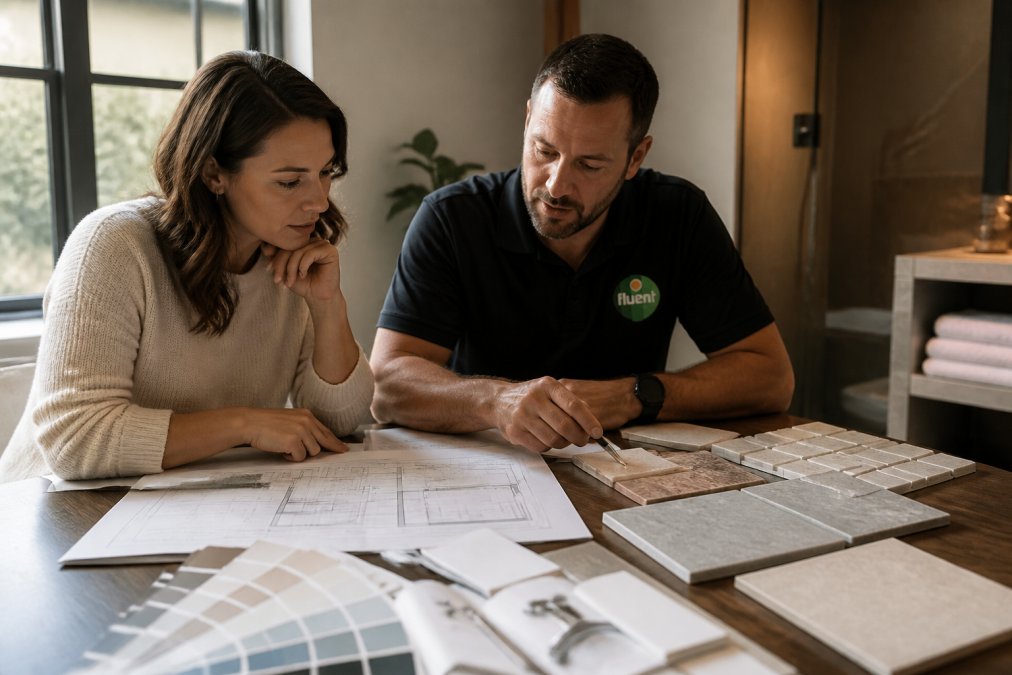
Keep the layout. This single decision saves thousands. If your current plumbing and electrical work, keep it. Moving pipes and wires is expensive. Accepting your existing footprint lets you invest in finishes instead.
Choose materials strategically. You don't need premium everything. Spend on what you see and touch daily, countertops, flooring, fixtures. Accept basic options on structural materials like subfloor or framing that won't be visible. A mid-range vanity with a quality faucet costs less than a budget vanity with an expensive faucet, but delivers better results because the vanity is what you interact with.
Simplify tile work. Large-format tiles cost less to install than small mosaic tiles because they require less labor. A single-color tile throughout costs less than intricate patterns. Limiting tile to wet areas (shower surround, floor) rather than full walls saves material and labor. These choices don't compromise quality, they're just smarter design.
Standardize fixtures. Using stock fixtures rather than custom options saves 15-25% on fixture costs. Stock items ship faster, so your timeline shortens. Installation is straightforward because contractors know these products.
Avoid mid-project changes. Change orders are expensive because they disrupt workflow, require rescheduling, and often involve waste. Finalize your design before work begins. If you must make changes, understand the cost impact upfront.
Plan for contingency. Setting aside 10-15% of your budget for unexpected discoveries prevents panic spending. When your contractor finds hidden mold or discovers subfloor damage, you're prepared instead of scrambling for emergency funds.
Hidden Costs and Contingency Planning
Most homeowners encounter hidden costs because bathrooms conceal problems. Once you open walls, you discover what was hidden behind them.
Subfloor damage is common. Bathrooms are wet environments, and water damage accumulates silently. Your contractor may not discover it until the vanity is removed and flooring is up. Repairing compromised subfloor adds 1-2 weeks and 10-15% to your budget.
Mold is another discovery. If your bathroom has had any water issues, mold may be growing inside walls. Remediation requires professional handling, adds cost, and extends your timeline. This is not optional, it must be addressed before renovation continues.
Plumbing surprises happen regularly. Old plumbing may not meet current code. Corroded pipes may need replacement. Vent stacks may be inadequate. Your contractor cannot know these issues exist until they inspect the existing system. Budget for plumbing upgrades as a likely scenario, not a worst-case.
Electrical needs often expand. Once you're upgrading, you realize you want better lighting, more outlets, or ventilation improvements. These additions are relatively inexpensive if planned upfront but expensive if added mid-project.
Structural issues like inadequate framing, rotted joists, or settling can emerge. These require immediate attention and add cost, but ignoring them creates bigger problems later.
A contingency fund of 10-15% of your total budget covers these discoveries without derailing your project. This is not money you hope to avoid spending, it's money you set aside because bathroom renovations almost always uncover something.
Cosmetic Refresh vs. Full Gut Renovation: Cost Comparison
Understanding the difference between a cosmetic refresh and a full gut renovation shapes your entire budget and timeline.
A cosmetic refresh updates finishes while keeping the existing structure, plumbing, and electrical intact. You're painting, replacing fixtures, installing new tile on one wall, upgrading the vanity, and adding new hardware. The bathroom's footprint and major systems stay the same. This approach costs less, takes 3-5 weeks, and works well if your current layout functions and your bones are sound.
A full gut renovation removes everything to the studs. You're replacing subfloors, rerouting plumbing and electrical, waterproofing from scratch, installing new everything. This approach costs significantly more, takes 8-12 weeks, but gives you a completely fresh bathroom with modern systems and no hidden problems. You're paying for the assurance that everything is new and up to code.
The cost difference is substantial. A cosmetic refresh might run moderate costs focused on materials and finishing labor. A full gut renovation requires structural work, multiple trades, extended timelines, and the discovery of hidden issues that add cost.
| Approach | Timeline | Labor Focus | Material Focus | Best For |
|---|---|---|---|---|
| Cosmetic Refresh | 3-5 weeks | Finishing work, fixture installation | Paint, tile, fixtures, hardware | Sound structure, good layout, cosmetic updates only |
| Full Gut Renovation | 8-12 weeks | Demolition, structural, rough-ins, finishing | Everything new, structural materials, systems | Outdated systems, layout changes, hidden damage |
Most small bathrooms benefit from a middle-ground approach: keep the layout and structure if they're sound, but address any hidden damage and upgrade systems. This gives you a modern bathroom without the full cost of complete demolition.
Small bathroom renovation project costs depend on what you're actually doing, not just the square footage. A cosmetic refresh with smart material choices costs far less than a full renovation, but both require contingency planning for hidden costs. The real savings come from understanding your priorities, accepting basic options where appropriate, and avoiding mid-project changes.
Fluent Contracting has over 20 years of construction experience, and the pattern is consistent: homeowners who plan for labor costs upfront, account for 10-15% contingency, and make design decisions before work starts stay on budget and on schedule. Those who don't often face surprises.
If you're planning a bathroom renovation, understanding these cost drivers, scope, layout, materials, labor ratio, hidden costs, gives you realistic expectations and better decision-making. Get a detailed estimate from a contractor you trust, ask for a labor breakdown, and build contingency into your timeline and budget. That's how you avoid the common mistakes that turn a planned project into a budget nightmare.
Frequently Asked Questions
What is a reasonable budget for a small bathroom remodel?
A reasonable budget depends on your project scope. A cosmetic refresh with new fixtures and paint typically costs less than a full gut renovation involving structural changes. Factors like square footage, plumbing relocation, tile work, and material quality all affect the final cost. Your specific needs, whether you're updating just the vanity or replacing everything including subfloor and electrical wiring, determine what's realistic for your home.
How do labor costs impact small bathroom renovation project costs?
Labor typically represents 40-60% of total renovation costs, depending on project complexity. Simple cosmetic updates require less skilled labor, while full gut renovations involving rough-in plumbing, electrical wiring, and waterproofing demand experienced contractors and more hours. The contractor's experience level and local market rates also affect labor expenses. Permits and inspections add additional labor-related costs that homeowners often overlook.
Can you remodel a small bathroom for $5,000?
A budget of this size works best for cosmetic refreshes: new vanity, faucet hardware, lighting upgrades, and fresh paint. This typically covers finish materials but limits options for structural repairs, plumbing fixture replacements, or tile work. Full gut renovations with subfloor repair, new electrical wiring, and high-end finishes typically exceed this budget significantly. Realistic expectations and clear prioritization of what matters most help you maximize value within a tighter budget.
What are the most expensive items in a bathroom remodel?
Tile work, shower enclosures, plumbing fixtures, and vanity installation rank among the highest costs. Labor for skilled trades like plumbing and waterproofing adds substantially. Unforeseen issues discovered during demolition, such as subfloor damage or outdated electrical wiring, create unexpected expenses. Contingency planning for 10-15% of your total budget helps absorb these surprises without derailing your project timeline or quality standards.
This article was written using GrandRanker
Frequently Asked Questions
What is a reasonable budget for a small bathroom remodel?
A reasonable budget depends on your project scope. A cosmetic refresh with new fixtures and paint typically costs less than a full gut renovation involving structural changes. Factors like square footage, plumbing relocation, tile work, and material quality all affect the final cost. Your specific needs—whether you're updating just the vanity or replacing everything including subfloor and electrical wiring—determine what's realistic for your home.
How do labor costs impact small bathroom renovation project costs?
Labor typically represents 40-60% of total renovation costs, depending on project complexity. Simple cosmetic updates require less skilled labor, while full gut renovations involving rough-in plumbing, electrical wiring, and waterproofing demand experienced contractors and more hours. The contractor's experience level and local market rates also affect labor expenses. Permits and inspections add additional labor-related costs that homeowners often overlook.
Can you remodel a small bathroom for $5,000?
A budget of this size works best for cosmetic refreshes: new vanity, faucet hardware, lighting upgrades, and fresh paint. This typically covers finish materials but limits options for structural repairs, plumbing fixture replacements, or tile work. Full gut renovations with subfloor repair, new electrical wiring, and high-end finishes typically exceed this budget significantly. Realistic expectations and clear prioritization of what matters most help you maximize value within a tighter budget.
What are the most expensive items in a bathroom remodel?
Tile work, shower enclosures, plumbing fixtures, and vanity installation rank among the highest costs. Labor for skilled trades like plumbing and waterproofing adds substantially. Unforeseen issues discovered during demolition—such as subfloor damage or outdated electrical wiring—create unexpected expenses. Contingency planning for 10-15% of your total budget helps absorb these surprises without derailing your project timeline or quality standards.